Dry Rot Remediation in Alpharetta, GA
Dry rot remediation involves identifying and removing wood that has been damaged by fungal decay caused by excessive moisture. This service typically covers areas such as basements, attics, crawl spaces, and wooden structural elements of a property. Property owners interested in this service should understand that effective remediation requires thorough inspection to determine the extent of the damage, as well as proper removal and replacement of affected wood to prevent further deterioration.
Before requesting dry rot remediation, homeowners often want to know about the underlying moisture issues that contributed to the problem, as addressing these is crucial for long-term results. It’s also helpful to understand the scope of work involved, including whether repairs will be needed to improve ventilation, reduce humidity, or fix leaks that may have led to the fungal growth. Clear communication about the condition of the affected areas can help ensure the remediation process is effective and lasting.
Many property owners in Alpharetta, GA look into Dry Rot Remediation for repairs, replacements, upgrades, and appearance-related improvements.
Understanding Dry Rot
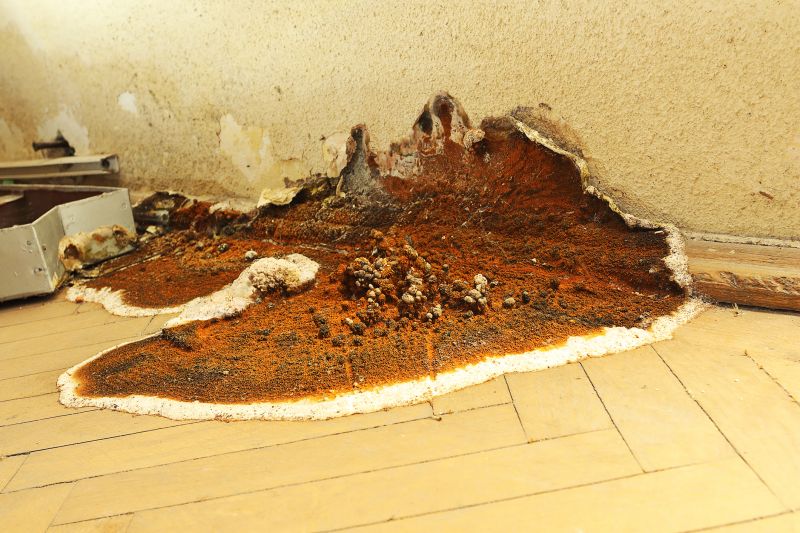
Dry rot is a type of wood decay caused by fungal growth that can weaken structural elements in homes.
Signs Of Dry Rot Damage
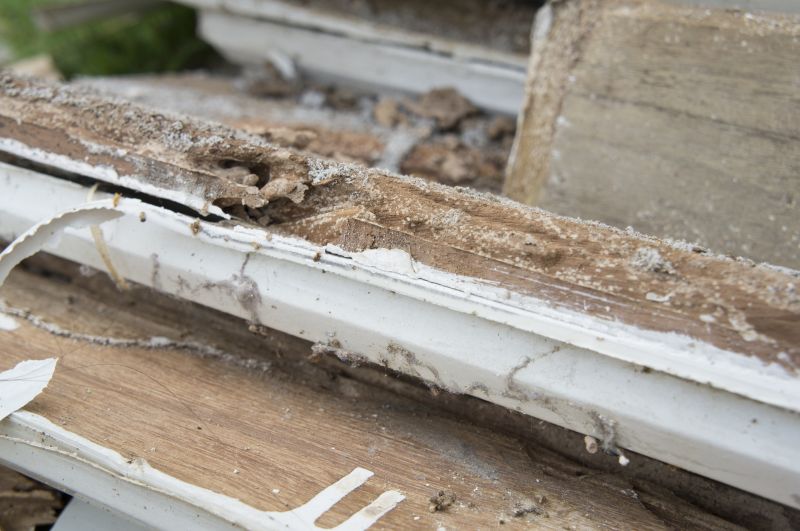
Indicators include crumbling wood, musty odors, and visible fungal growth in affected areas.
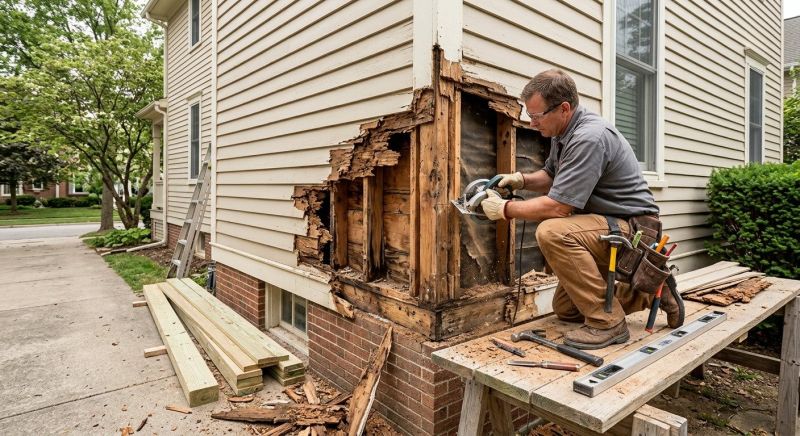
Remediation And Prevention
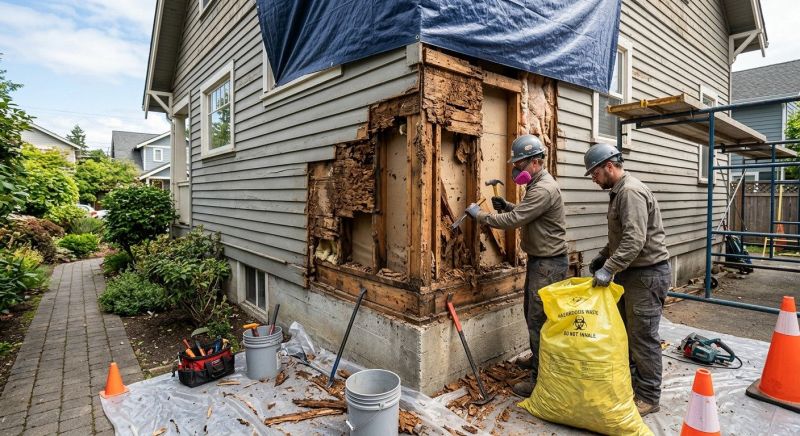
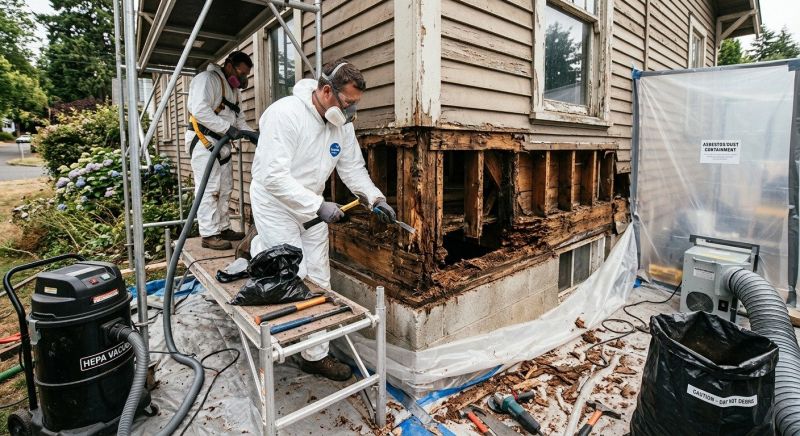
Effective dry rot treatment involves removing affected wood and addressing moisture sources to prevent future issues in alpharetta, ga.
Dry Rot Remediation in Alpharetta, GA
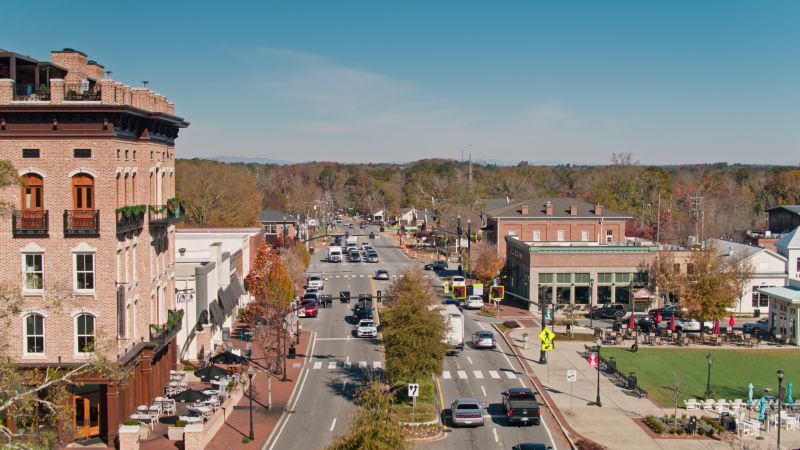
Dry rot remediation involves identifying and removing wood that has been damaged by fungal decay caused by excessive moisture. This service typically covers areas such as basements, attics, crawl spaces, and wooden structural elements of a property. Property owners interested in this service should understand that effective remediation requires thorough inspection to determine the extent of the damage, as well as proper removal and replacement of affected wood to prevent further deterioration.
Before requesting dry rot remediation, homeowners often want to know about the underlying moisture issues that contributed to the problem, as addressing these is crucial for long-term results. It’s also helpful to understand the scope of work involved, including whether repairs will be needed to improve ventilation, reduce humidity, or fix leaks that may have led to the fungal growth. Clear communication about the condition of the affected areas can help ensure the remediation process is effective and lasting.
Many property owners in Alpharetta, GA look into Dry Rot Remediation for repairs, replacements, upgrades, and appearance-related improvements.
Common Dry Rot Remediation Jobs
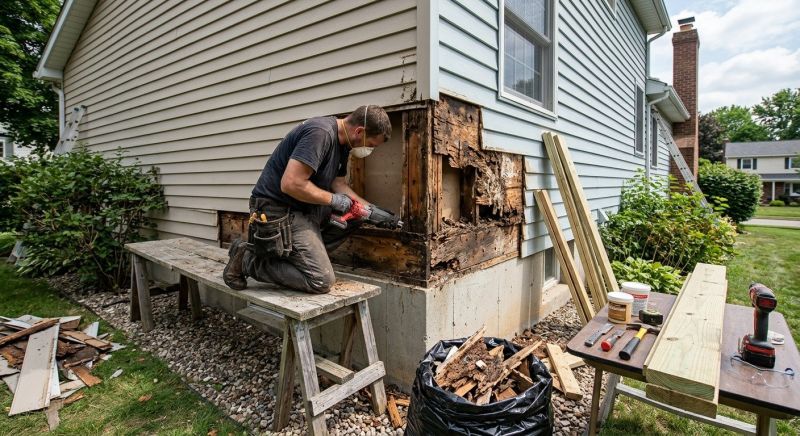
Dry Rot Remediation - addresses wood decay caused by fungal growth to protect structural integrity.
Residential repairs - involves removing and replacing affected wood in homes and properties.
Foundation treatment - prevents further damage by treating areas prone to moisture buildup.
Structural reinforcement - stabilizes weakened wood components to maintain safety and durability.
Moisture control - implements measures to reduce humidity and prevent future dry rot development.
Inspection services - identifies the extent of dry rot and assesses underlying moisture issues.
Dry Rot Remediation Questions
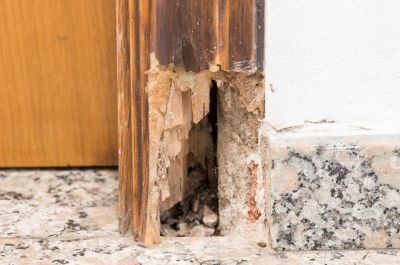
What is dry rot? Dry rot is a type of fungal decay that damages wood by breaking down its structure, often caused by moisture buildup.
How can dry rot be identified? Signs include spongy or crumbly wood, discoloration, and the presence of a musty odor in affected areas.
What are common locations for dry rot? It typically occurs in damp areas like basements, crawl spaces, attics, or around leaking pipes and roofs.
Why is prompt remediation important? Addressing dry rot quickly helps prevent structural damage and stops the spread to other parts of the property.
Request Dry Rot Remediation in Alpharetta, GA
Use the quote form on this page to share the basics of your project and request more information for the type of work you need.