Wood Rot Removal in Longmont, CO
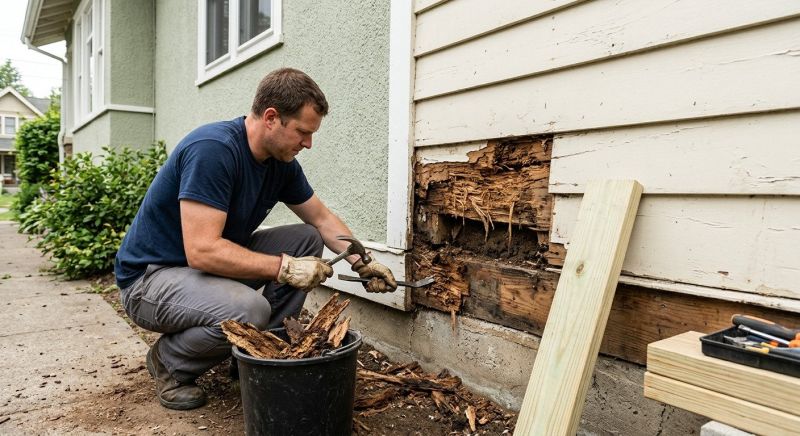
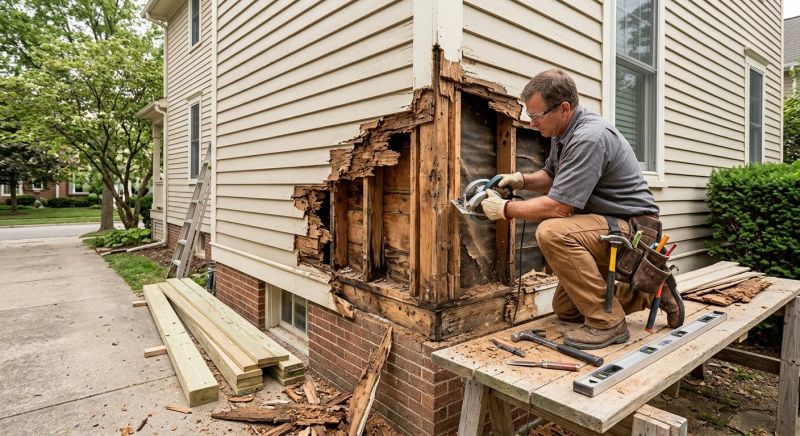
Wood rot removal services focus on identifying and eliminating decayed or damaged wood caused by moisture, fungi, or pests. This process typically involves inspecting affected areas such as decks, siding, fences, or window frames, then carefully removing the compromised wood and replacing it with new, treated materials. Homeowners often request this service to prevent further structural damage, preserve the appearance of their property, and maintain safety by addressing areas where wood has become soft, spongy, or weakened.
Before requesting wood rot removal, property owners usually want to understand the extent of the damage and whether surrounding areas are affected. It is helpful to know if the rot is confined to specific sections or if it has spread to critical structural elements. Additionally, understanding the types of replacement materials used and the steps taken to prevent future moisture intrusion can assist in making informed decisions about repairs and ongoing maintenance.
Many property owners in Longmont, CO look into Wood Rot Removal for repairs, replacements, upgrades, and appearance-related improvements.
Identifying Wood Rot Damage
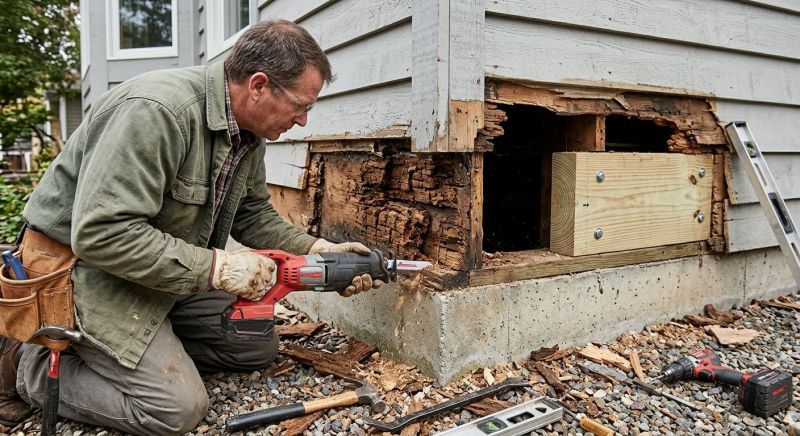
Signs of wood rot often include soft, discolored, or crumbly wood in your home or outdoor structures.
Restoring Structural Integrity
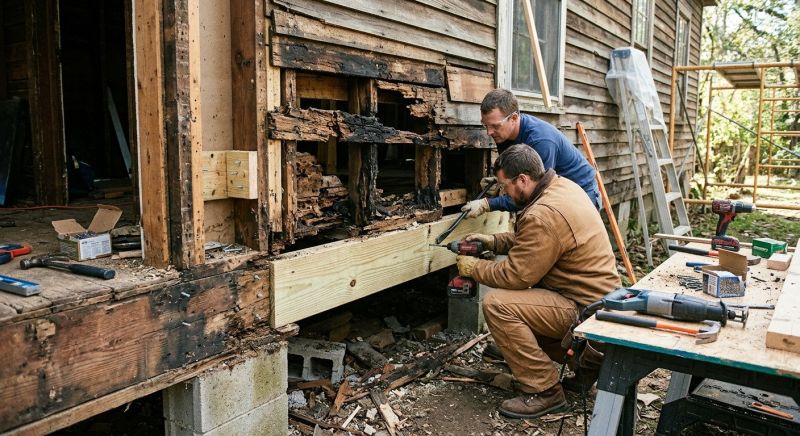
Removing and replacing affected wood helps maintain the safety and stability of your property.
Preventing Future Wood Decay
Proper maintenance and moisture control are key to protecting wood features from future rot issues in longmont, co.
Wood Rot Removal in Longmont, CO

Wood rot removal services focus on identifying and eliminating decayed or damaged wood caused by moisture, fungi, or pests. This process typically involves inspecting affected areas such as decks, siding, fences, or window frames, then carefully removing the compromised wood and replacing it with new, treated materials. Homeowners often request this service to prevent further structural damage, preserve the appearance of their property, and maintain safety by addressing areas where wood has become soft, spongy, or weakened.
Before requesting wood rot removal, property owners usually want to understand the extent of the damage and whether surrounding areas are affected. It is helpful to know if the rot is confined to specific sections or if it has spread to critical structural elements. Additionally, understanding the types of replacement materials used and the steps taken to prevent future moisture intrusion can assist in making informed decisions about repairs and ongoing maintenance.
Many property owners in Longmont, CO look into Wood Rot Removal for repairs, replacements, upgrades, and appearance-related improvements.
Common Wood Rot Removal Jobs
Wood Rot Removal - Addresses damaged wood caused by moisture and decay to protect property integrity.
Deck and Porch Repair - Restores strength and appearance of outdoor structures affected by rot.
Siding Restoration - Eliminates rotted siding to prevent further deterioration and maintain curb appeal.
Fence Repair - Replaces or reinforces rotted fence posts and panels for lasting durability.
Structural Reinforcement - Ensures compromised wooden supports are replaced to maintain building safety.
Preventative Treatment - Applies solutions to inhibit future wood decay and extend the lifespan of wood features.
Wood Rot Removal Questions
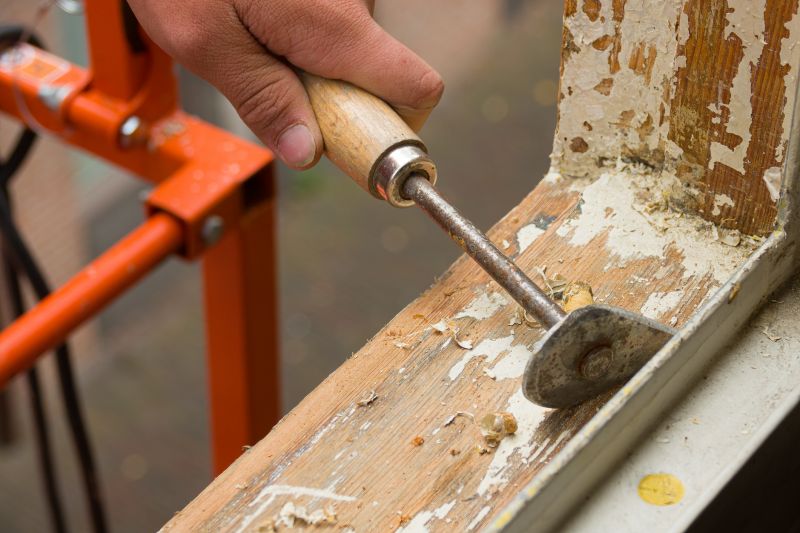
What is wood rot removal? Wood rot removal involves identifying and eliminating decayed wood to prevent further damage and maintain structural integrity.
What types of wood structures are commonly treated? Commonly treated structures include decks, fences, window frames, door jambs, and porch supports.
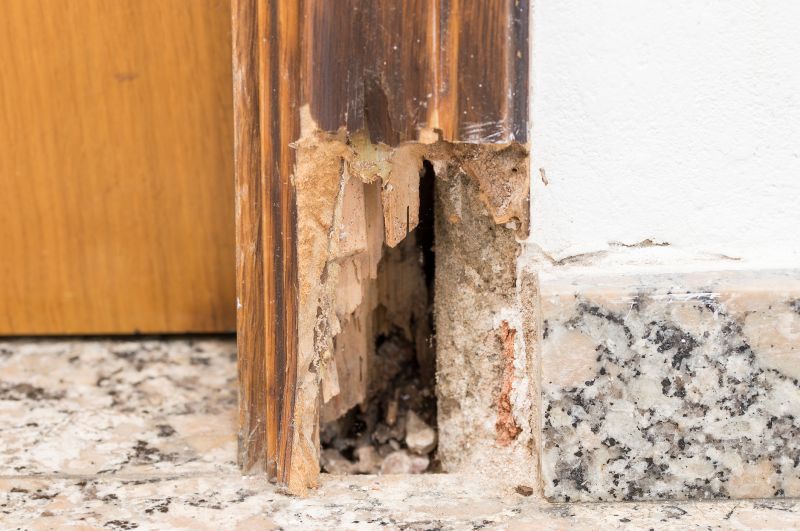
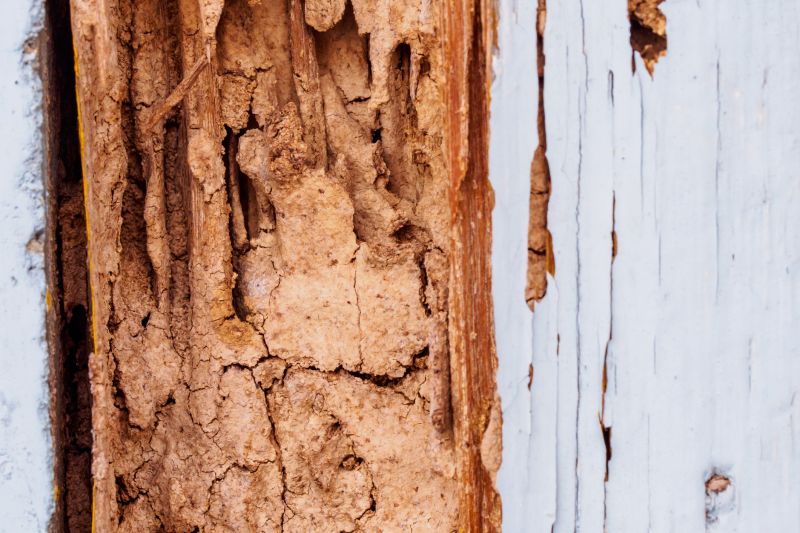
How can I tell if wood has rot? Signs of wood rot include soft, spongy areas, discoloration, mold growth, or visible decay on wooden surfaces.
Why is timely removal important? Prompt removal of wood rot helps prevent further deterioration, costly repairs, and potential safety hazards.
Request Wood Rot Removal in Longmont, CO
Use the quote form on this page to share the basics of your project and request more information for the type of work you need.