Wood Decay Removal in Denver, CO
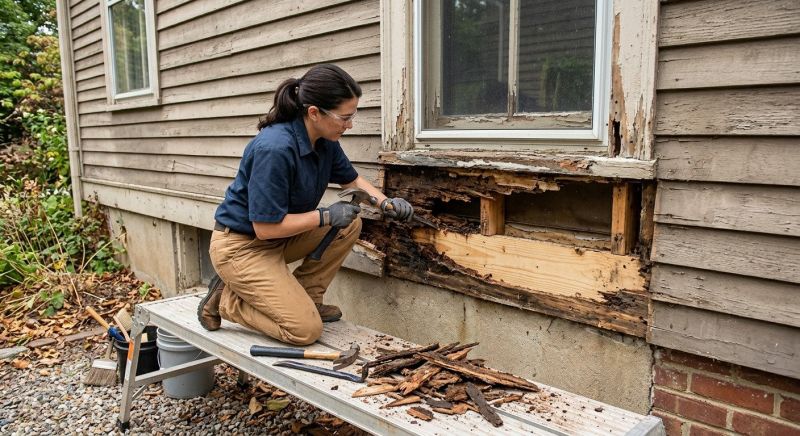
Wood decay removal services focus on identifying and eliminating damaged or rotting wood components within a property. This service is commonly requested for projects involving decks, fences, siding, porches, or any wooden structures showing signs of deterioration due to moisture, pests, or age. Property owners typically want to understand the extent of decay, the methods used for removal, and the importance of replacing or treating affected wood to prevent further damage and maintain structural integrity.
Before requesting wood decay removal, homeowners often seek information about the signs of wood rot, such as soft or crumbly wood, discoloration, or mold growth. It’s also helpful to understand the process involved, including removal techniques and whether affected wood needs to be replaced or treated to inhibit future decay. Proper assessment and timely intervention can help preserve the value and safety of the property’s wooden features.
Many property owners in Denver, CO look into Wood Decay Removal for repairs, replacements, upgrades, and appearance-related improvements.
Identifying Wood Decay
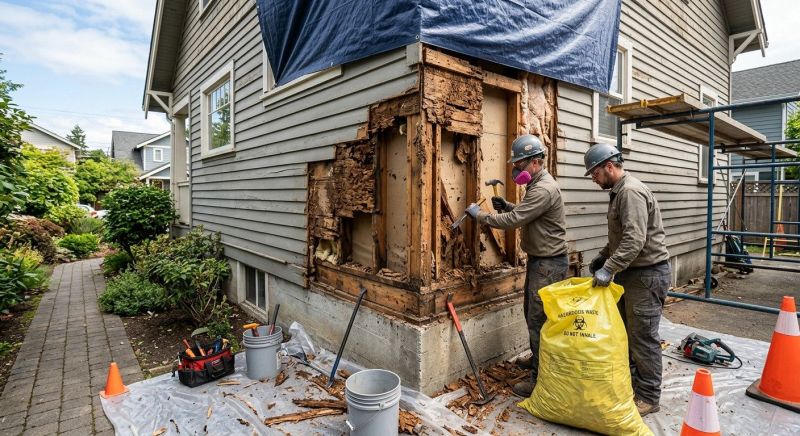
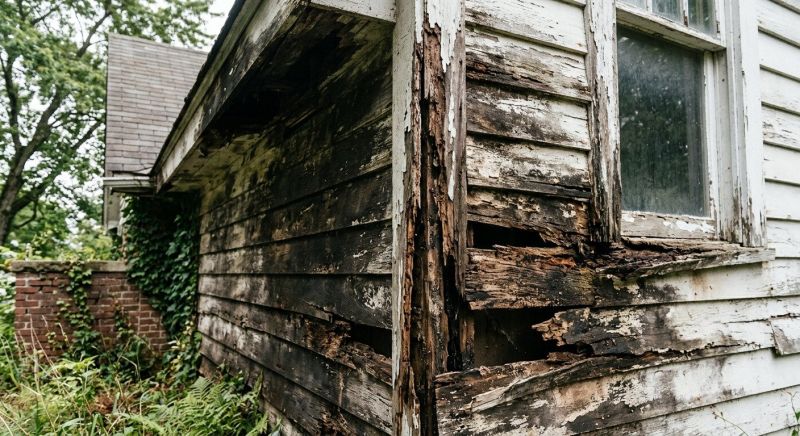
Signs of wood decay often include soft spots, discoloration, and structural weakening in wooden components.
Common Causes Of Decay
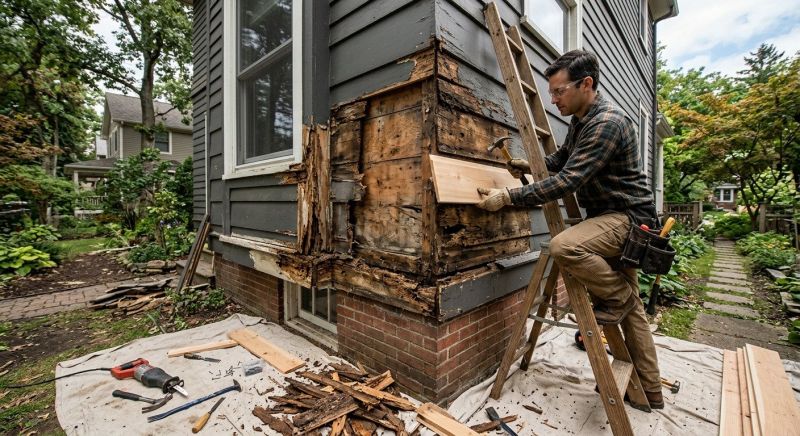
Excess moisture, poor ventilation, and wood rot are frequent factors contributing to decay in residential structures around denver.
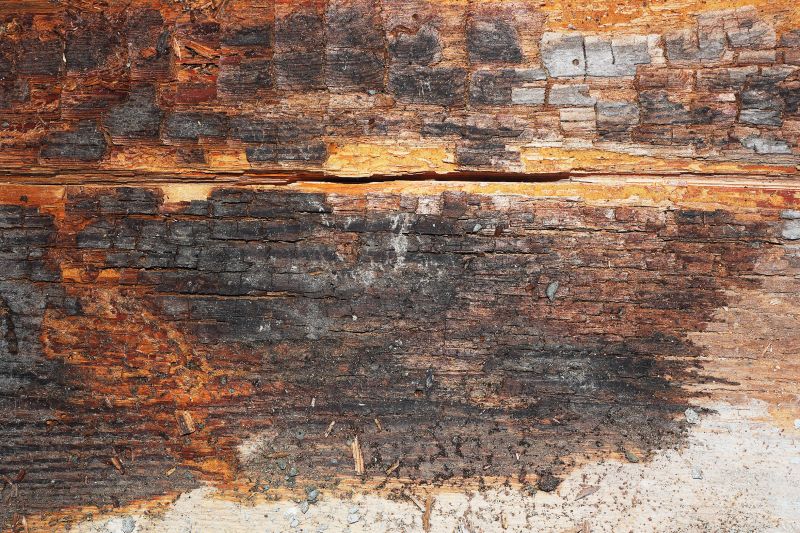
Decay Removal Techniques
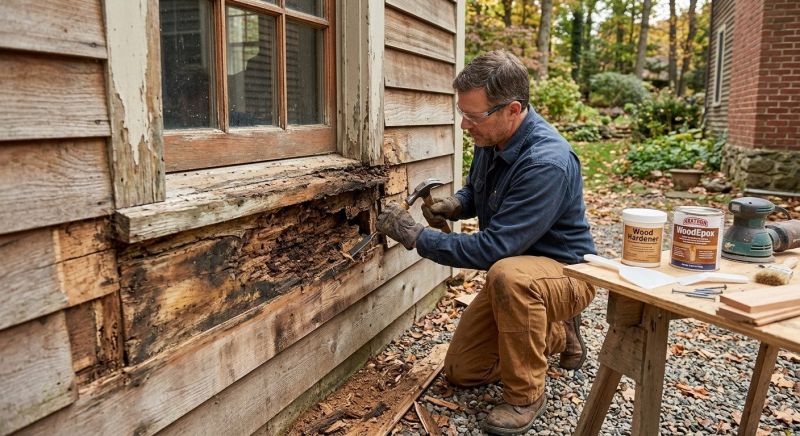
Effective removal involves removing affected wood, treating the area, and restoring the integrity of the structure.
Wood Decay Removal in Denver, CO

Wood decay removal services focus on identifying and eliminating damaged or rotting wood components within a property. This service is commonly requested for projects involving decks, fences, siding, porches, or any wooden structures showing signs of deterioration due to moisture, pests, or age. Property owners typically want to understand the extent of decay, the methods used for removal, and the importance of replacing or treating affected wood to prevent further damage and maintain structural integrity.
Before requesting wood decay removal, homeowners often seek information about the signs of wood rot, such as soft or crumbly wood, discoloration, or mold growth. It’s also helpful to understand the process involved, including removal techniques and whether affected wood needs to be replaced or treated to inhibit future decay. Proper assessment and timely intervention can help preserve the value and safety of the property’s wooden features.
Many property owners in Denver, CO look into Wood Decay Removal for repairs, replacements, upgrades, and appearance-related improvements.
Common Wood Decay Removal Jobs
Wood decay removal - eliminates compromised wood to prevent further structural damage.
Fungal and mold removal - addresses mold growth caused by wood rot to improve indoor air quality.
Damaged wood replacement - replaces soft or decayed wood to restore the integrity of structures.
Surface treatment and sealing - applies protective coatings to inhibit future decay and moisture intrusion.
Inspection and assessment - identifies areas affected by wood decay to determine necessary repairs.
Preventive maintenance services - helps extend the lifespan of wood structures and reduce future decay risks.
Wood Decay Removal Questions
What causes wood decay in properties? Wood decay is typically caused by fungi that thrive in moist, poorly ventilated conditions, leading to structural weakening.
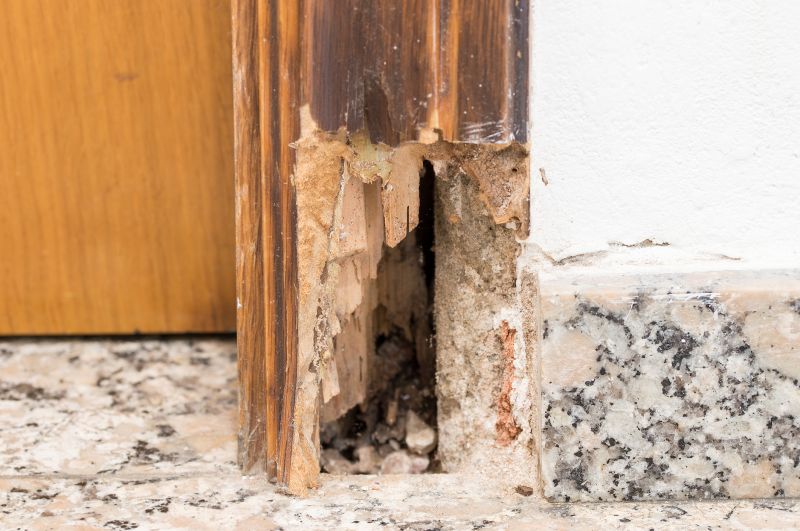
How can wood decay be identified? Signs include soft, spongy wood, discoloration, and visible mold or rot on affected surfaces.
Is removal of decayed wood necessary? Yes, removing decayed wood helps prevent further damage and maintains the integrity of the structure.
What types of projects often require wood decay removal? Common projects include foundation repairs, deck restorations, and siding replacements where rot has developed.
Request Wood Decay Removal in Denver, CO
Use the quote form on this page to share the basics of your project and request more information for the type of work you need.