Decayed Wood Replacement in Kansas City, MO
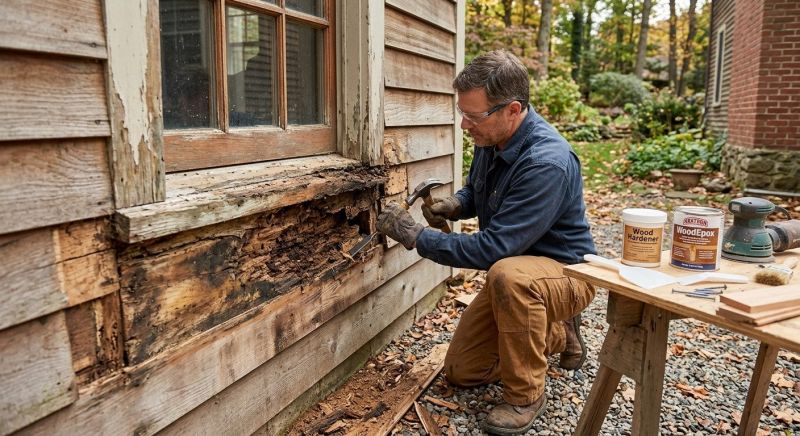
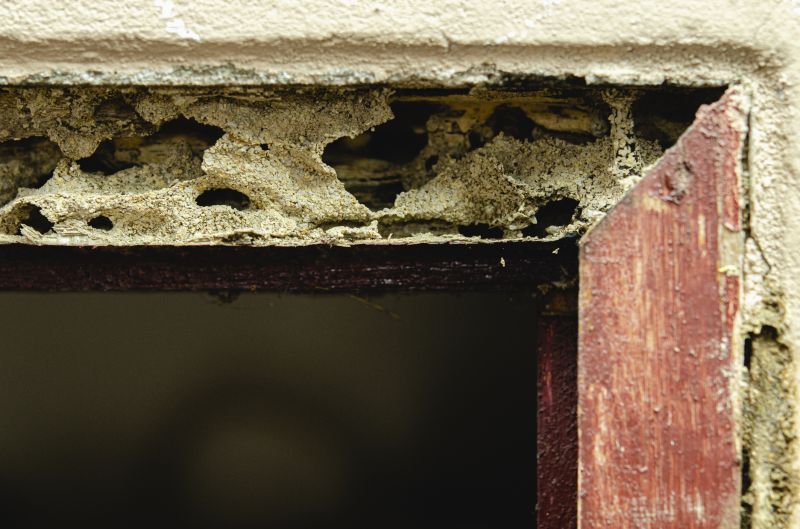
Decayed wood replacement services involve removing and replacing wood that has been damaged or weakened due to rot, insect activity, or moisture exposure. This service is commonly requested for projects such as siding repair, deck restoration, window and door frame replacement, and porch or balcony repairs. Property owners typically seek this service to restore structural integrity, improve curb appeal, and prevent further damage that could lead to more extensive and costly repairs in the future.
Before requesting decayed wood replacement, homeowners usually want to understand the extent of the damage, the types of wood suitable for replacement, and the materials that will be used. It’s also important to consider how the new wood will match existing structures in appearance and durability. Clarifying these details helps ensure the repairs will be effective and long-lasting, maintaining the safety and value of the property.
Many property owners in Kansas City, MO look into Decayed Wood Replacement for repairs, replacements, upgrades, and appearance-related improvements.
Identifying Decayed Wood
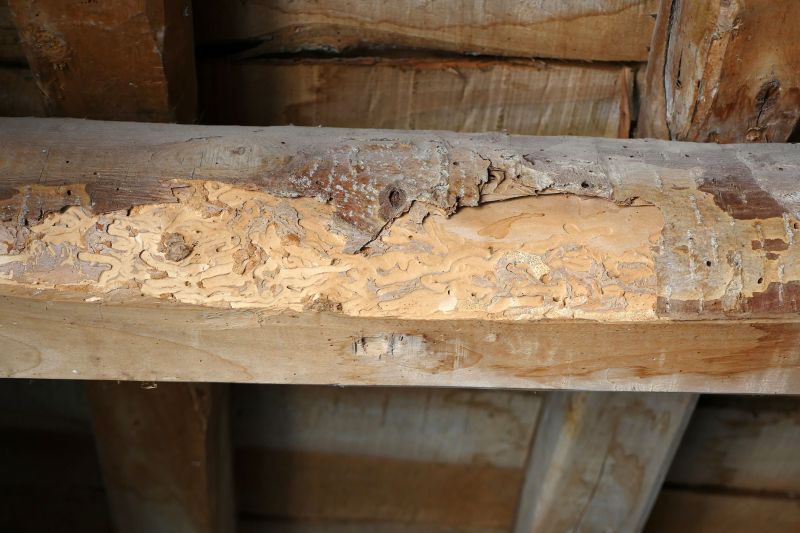
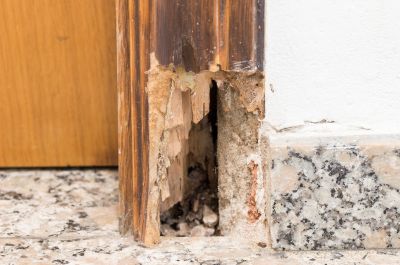
Signs of wood decay include soft spots, discoloration, and visible mold or fungi.
Common Repair Areas
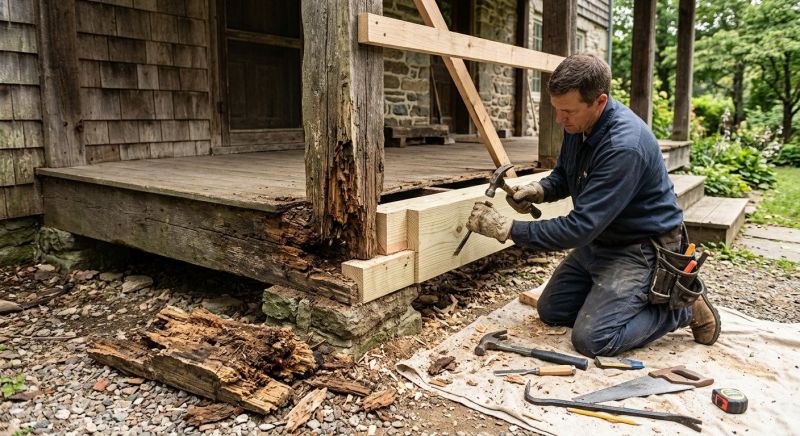
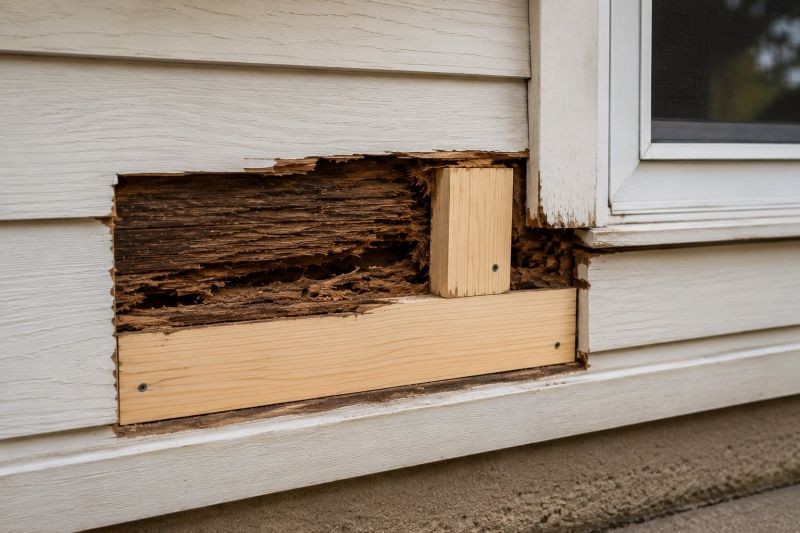
Decayed wood often affects decks, porches, siding, and window frames in residential properties.
Restoration Solutions
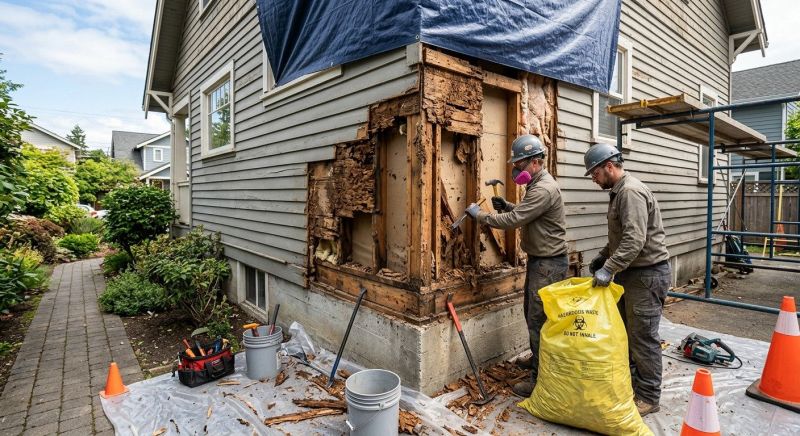
Replacement involves removing damaged sections and installing new, durable wood to restore structural integrity.
Decayed Wood Replacement in Kansas City, MO

Decayed wood replacement services involve removing and replacing wood that has been damaged or weakened due to rot, insect activity, or moisture exposure. This service is commonly requested for projects such as siding repair, deck restoration, window and door frame replacement, and porch or balcony repairs. Property owners typically seek this service to restore structural integrity, improve curb appeal, and prevent further damage that could lead to more extensive and costly repairs in the future.
Before requesting decayed wood replacement, homeowners usually want to understand the extent of the damage, the types of wood suitable for replacement, and the materials that will be used. It’s also important to consider how the new wood will match existing structures in appearance and durability. Clarifying these details helps ensure the repairs will be effective and long-lasting, maintaining the safety and value of the property.
Many property owners in Kansas City, MO look into Decayed Wood Replacement for repairs, replacements, upgrades, and appearance-related improvements.
Common Decayed Wood Replacement Jobs
Decayed Wood Replacement - Restores damaged wooden elements to ensure structural integrity.
Porch and Deck Repairs - Replaces rotted wood on outdoor structures for safety and appearance.
Window and Door Frames - Replaces decayed framing to improve energy efficiency and security.
Siding and Fascia Replacement - Removes and replaces deteriorated siding to protect against weather damage.
Roof and Eaves Repair - Addresses wood rot in roofing components to prevent leaks and further decay.
Interior Wood Restoration - Replaces compromised interior woodwork to maintain home value and safety.
Decayed Wood Replacement Questions
What causes wood to decay on properties? Wood decay typically results from moisture exposure combined with fungal activity, weakening the structure over time.
How can decayed wood be replaced safely? The process involves removing damaged sections and installing new wood that matches the existing structure for a seamless repair.
Which types of projects often require decayed wood replacement? Common projects include porch posts, window frames, siding, and roof eaves with visible rot or damage.
What should property owners look for in decayed wood? Signs include soft spots, discoloration, crumbling edges, and visible fungal growth or mold on the surface.
Request Decayed Wood Replacement in Kansas City, MO
Use the quote form on this page to share the basics of your project and request more information for the type of work you need.